By Ryker Stone
⚡ Introduction: This Isn’t a “What If” Anymore
Between global instability, cyber threats targeting infrastructure, extreme weather events, and an aging power grid, extended outages are no longer rare—they’re inevitable at some point. The reality is that our interconnected, modern lives depend on electricity for everything from basic communication to food preservation, home security, and access to accurate information. When the grid goes down, it’s more than a simple disruption: it’s a fundamental shift in daily life that demands quick thinking and practical action.
Most people think in terms of inconvenience:
• A few hours without power
• Maybe a spoiled fridge
• Light candles and wait it out
But what happens when it’s not a few hours?
What happens when it stretches into 48 hours… or longer?
This guide breaks down a realistic, timeline-based survival scenario so you can understand what actually happens—and more importantly, how to stay ahead of it. You’ll learn the critical phases of a grid-down event, the most common mistakes people make, and the mindset and strategies that separate those who thrive from those who struggle. Whether you’re a seasoned prepper or just beginning to think about resiliency, these steps will help you protect yourself and your loved ones.
⏱️ Hour 0–6: The Lights Go Out
It happens fast.
• The power cuts
• Your Wi-Fi drops instantly
• The house goes silent
• Streetlights disappear
At first, it feels temporary. The sudden quiet is unsettling, but there’s an expectation that normalcy will return quickly. Most people instinctively check their phones, reach for light switches out of habit, and assume it’s just a minor glitch. This early phase is often marked by a sense of hope—and a dangerous underestimation of what’s to come.
You check your phone:
• Battery: decent
• Signal: still working
• Social media: “Anyone else lose power?”
⚠️ The Mistake Most People Make
They wait.
They assume:
“It’ll be back soon.”
So they:
• Keep opening the fridge
• Sit around instead of preparing
• Ignore early warning signs
✅ What You Should Do Immediately
The first 6 hours are critical.
Take control early:
• Fill every container with water (sinks, tubs, bottles)
• Charge all devices if you have backup power
• Locate flashlights, batteries, and gear
• Stop opening the fridge/freezer
• Do a quick perimeter check of your home
👉 You’re not reacting—you’re buying yourself time.
🌆 Hour 6–24: Reality Starts Setting In
Now things have begun to shift.
• Cell service becomes unreliable
• Gas stations stop pumping fuel
• Grocery stores get wiped out
• ATMs and card readers go offline
What felt temporary now feels uncertain. With each passing hour, the realization grows that this could last much longer. The loss of modern conveniences is quickly replaced by a growing sense of vulnerability. People begin to worry about how long their supplies will last, how they’ll get reliable information, and what steps they should take next. This is when anxiety and frustration can start to cloud good judgment.
🚨 Real-World Scenario
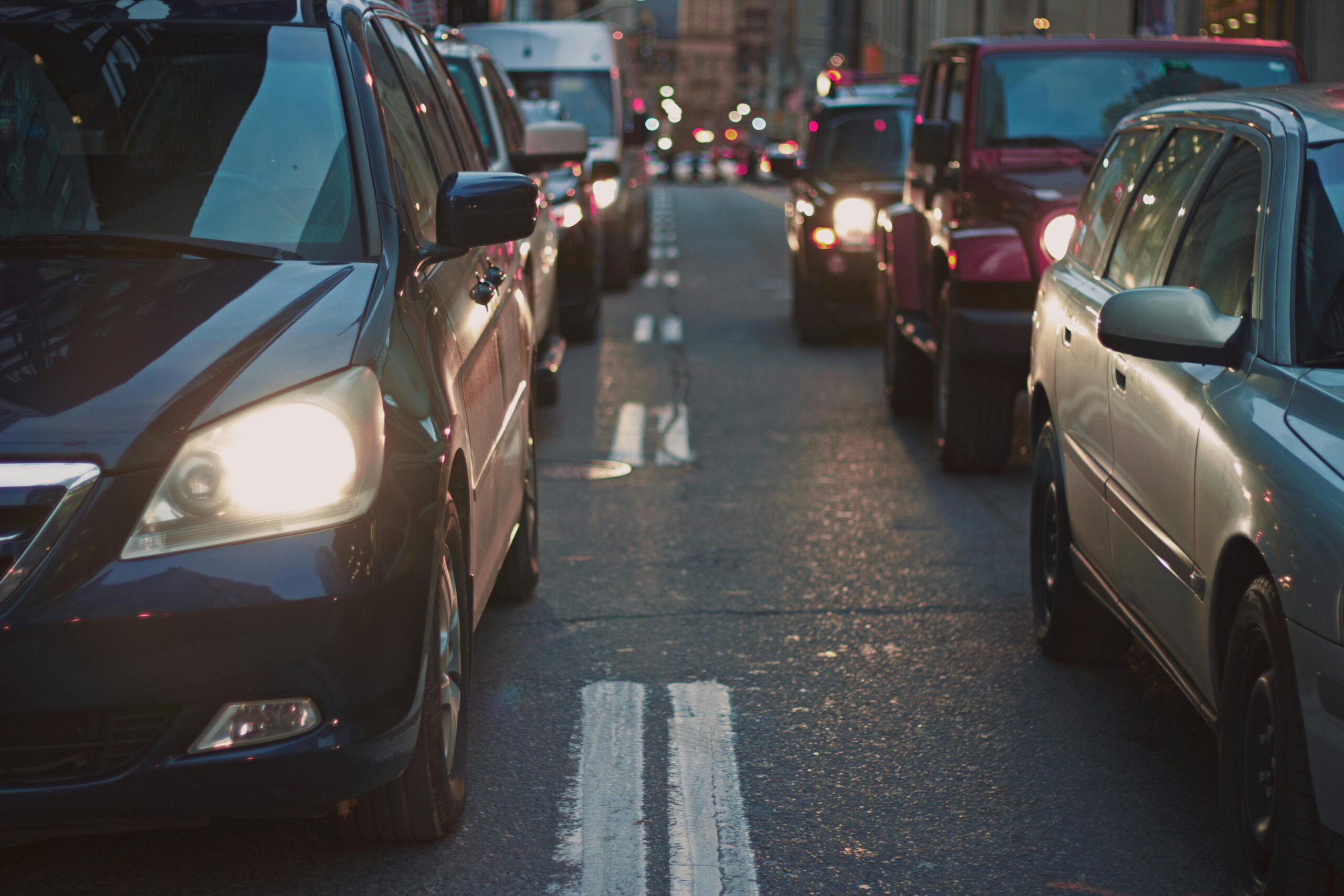
You decide to “run out real quick” to grab supplies. The streets feel different—traffic lights are out, drivers are impatient or confused, and intersections become tense games of chicken. As you reach the store, the parking lot is chaotic, with cars double-parked and people rushing in and out, arms loaded with whatever they could find.
Inside, the atmosphere is tense. The shelves that once held bottled water, bread, and canned food are stripped bare. Any remaining goods are scattered or hoarded in shopping carts. You hear arguments break out over the last case of bottled water. Some people pace the aisles, eyes darting, clutching their phones and trying to reach loved ones. Others stand in line at the register, their faces tight with worry, clutching a few precious items.
Signs taped to cash registers read: “CASH ONLY—CARD SYSTEMS DOWN.” The line barely moves. You realize you don’t have enough cash on hand, and there’s a growing sense of frustration and helplessness in the air. Outside, people are checking their phones for updates, but the network is overloaded or down. A few are sitting in their cars, weighing whether to try another store or just go home empty-handed.
You return to your vehicle, feeling the pressure of wasted time and burned fuel. The trip back feels riskier—tempers are short, and you notice more people on the streets, some arguing, others just looking lost. As you pull into your driveway, it hits you that you’ve exposed yourself to unnecessary risk for little gain. The neighborhood looks different now: doors are closed, blinds drawn, and the sense of uncertainty hangs in the air. Suddenly, the importance of early, at-home preparation and staying put becomes painfully clear.
🧰 Your Move: Lock It Down
If you’re home and safe, your top priority is to turn your space into a secure, comfortable stronghold. Once you’ve realized the outage could be serious, resist the urge to “wait and see.” The sooner you shift to shelter-in-place mode, the more you can control your environment and reduce unnecessary risks. Every small preparedness step you take now gives you more options if the situation worsens.
🏠 Shift to Shelter-in-Place Mode
Lock doors and windows: Reinforce entry points—use additional locks, security bars, or even furniture if needed. This isn’t about paranoia, but about making your home a harder target if opportunistic crime increases.
Close blinds/limit visibility: Prevent people from seeing what you have inside, especially if you’re using lights or have visible resources. At night, use blackout curtains or hang blankets to block light leaks.
Stay off the road unless necessary: The streets can quickly become unpredictable, with frustrated drivers, blocked intersections, or even law enforcement checkpoints. Save fuel, avoid exposure, and remain aware of what’s happening outside from the safety of your home.
As you lock it down, also check on neighbors you trust and quietly coordinate. A neighborhood that looks quiet and united is less likely to attract trouble than one where people are coming and going at all hours. Remember, the early hours of a prolonged outage set the tone for everything that comes next—secure your home, limit your footprint, and set yourself up for the next phase.
🔦 Lighting Strategy Begins
As darkness falls, lighting becomes one of the most valuable—and easily depleted—resources. Your strategy here isn’t just about seeing in the dark, but about maximizing safety and preserving your supplies for the long haul.
Avoid draining batteries early: Resist the temptation to turn on all your battery-powered lights right away. Instead, designate one or two light sources for group areas, and keep the rest switched off until absolutely needed. Use natural light during the day and only switch on artificial lights when necessary after sunset.
Use layered lighting: LED lanterns are ideal for illuminating rooms and common spaces, while headlamps free up your hands for tasks like cooking or moving around. If you have multiple people, assign each person their own headlamp to reduce arguments and confusion.
Minimal candle use (fire risk): Candles can supplement your lighting strategy, but always use them with extreme caution. Place candles on stable, non-flammable surfaces, away from curtains or other flammable materials. Never leave a candle unattended, and keep a fire extinguisher or a bucket of water nearby, just in case.
Additional tips:
– Use glow sticks for safe, low-level lighting at night in hallways or bathrooms.
– Group activities in one or two rooms to concentrate your lighting needs and conserve power.
– Store spare batteries together and rotate use between devices to extend their life.
– Consider blackout curtains or covering windows to prevent your lights from attracting attention outside.
A disciplined lighting strategy helps maintain morale, prevent accidents, and ensures that you aren’t left in total darkness if the outage stretches into days. Prioritize visibility and safety while being as efficient as possible with every watt and flame.
🍽️ Food Strategy Starts Now
• Eat refrigerated food first
• Move to shelf-stable items later
• Avoid cooking that requires power
As the outage continues, your approach to food needs to shift from convenience to strategy. In the early hours, your priority is to minimize waste and maximize the nutritional value of perishable items. Begin by taking inventory of what you have—especially anything in the refrigerator or freezer that could spoil soon. Organize meals around using these items first, and get creative: combine ingredients, batch-cook what you can (using safe alternative cooking methods), and share with family or neighbors if you have excess.
Once perishables are gone or no longer safe to eat, transition to your shelf-stable supplies. This is when rationing becomes critical. Plan simple meals that require as little water and fuel as possible, focusing on foods that are filling, nutritious, and easy to prepare without power. Think canned beans, nut butters, crackers, jerky, and instant oats.
Above all, avoid cooking that requires large amounts of electricity, water, or fuel. Save resources for when you need them most.
👉 Think in phases, not meals. Instead of planning for breakfast, lunch, and dinner as usual, break your food strategy into stages: perishables first, shelf-stable next, and emergency rations last. Adapt as supplies dwindle and don’t be afraid to change your plan if new challenges—or new resources—appear.
🌙 Day 2: Discomfort Turns Into a Problem
• Refrigerated food is spoiling
• Water pressure may drop
• Phones are dying
• Information is limited
At this stage, the reality of a prolonged outage settles in. The initial adrenaline fades, replaced by fatigue and a growing sense of urgency as basic comforts slip further out of reach. Simple tasks like preparing meals, staying hydrated, and keeping in touch with loved ones become increasingly complicated. Stress levels rise as uncertainty grows, and the situation demands a shift from short-term coping to active problem-solving.
Now, every decision matters: do you use your remaining battery power to check news updates or save it for emergencies? How will you stretch your water supply when pressure drops or taps run dry? Which foods must be eaten first before they spoil, and can you safely prepare them without power? Communication with the outside world becomes sporadic, making it harder to coordinate with others or get reliable information.
This is also when social dynamics can shift. Tensions within the household may flare as patience wears thin, and neighbors may become more guarded or, conversely, more interested in cooperation. The ability to adapt, improvise, and stay calm under pressure becomes as important as any physical supply.
⚠️ This Is Where Most People Fall Behind
Because they prepared for:
👉 Inconvenience
Not:
👉 Extended disruption
🚨 Environmental Shift
This isn’t chaos—but it’s no longer normal. The environment around you changes, sometimes subtly, sometimes dramatically. Neighbors may become more guarded, local law enforcement could be stretched thin, and community resources begin to dwindle. It’s a time when situational awareness and cooperation with trusted individuals can make all the difference.
• Opportunistic theft increases
• Tension between people rises
• Neighborhood awareness becomes critical
🧠 Your Mindset Shift
At this point:
You are no longer waiting for power to return. Instead, you’re shifting into a proactive mindset—focusing on what you can control, making plans for the next 24–48 hours, and staying alert to changing conditions. This mental shift is critical to avoid panic and to begin actively managing your circumstances, rather than simply hoping for the best.
You are managing a survival situation.
🔑 What You Should Be Doing Now
If you’ve made it past the initial shock and the first day’s scramble, you’re now entering the phase where calm, clear-headed action truly matters. The next 24–48 hours can make all the difference in how you weather the rest of the outage. This is the point where your decisions, discipline, and resourcefulness are tested—not just your gear or your pantry stockpile.
Focus on what you can control. The goal is to stabilize your situation, stretch your supplies, and reduce risk for yourself and those around you. You’re not just waiting for the lights to come back on—you’re actively shaping your own outcome. The following sections break down the three most critical pillars: water, food, and security. Approach each one with a plan, adapt as you go, and remember: your actions now determine your comfort and safety later.
💧 Water Discipline
Minimum: 1 gallon per person per day: This isn’t just for drinking—don’t forget that water is also needed for basic hygiene, minimal cooking, and, if you have pets, their needs too. Track your daily usage and be realistic about what you have.
Start rationing early: Don’t wait until you’re almost out to cut back. Begin by limiting showers and baths (if any), using wipes for hygiene, and reusing water when possible (e.g., catching water from rinsing produce to flush toilets).
Prioritize safe water: Use bottled or stored water for drinking and cooking only. For other needs, such as cleaning or washing hands, use non-potable water you’ve set aside, or collect rainwater if it’s safe to do so.
Purification is essential: If you run low on clean water, know how to use purification tablets, portable filters, or the boiling method to make questionable sources safe for drinking. Have a backup plan for every stage.
Monitor and adapt: Reassess your water level every morning and evening. Adjust your rationing plan as supplies dwindle or if you find new sources. If you’re sheltering with others, assign a “water monitor” to help track usage and avoid waste.
Mental discipline: Stay strict even if it feels uncomfortable in the early days. Most shortages sneak up on people who underestimate how quickly water runs out. The more disciplined you are now, the greater your margin for comfort and safety as the outage continues.
🔥 Cooking Without Power
Losing electricity takes away the convenience of your kitchen but doesn’t mean you have to settle for cold or boring meals. With a little planning and the right equipment, you can keep eating well and safely, even in a grid-down situation.
Portable propane stove: These are compact, easy to use, and can quickly boil water or cook simple meals. Always use them in a well-ventilated area—never indoors without proper airflow—to avoid carbon monoxide buildup. Stock extra fuel canisters, and practice using your stove before you need it.
Outdoor grill: Charcoal or gas grills are excellent for cooking larger meals or when you want to prepare food for several people at once. Keep a supply of charcoal, lighter fluid, or propane, and know how to start and control the heat. If you don’t have a grill, even a small fire pit (where safe and legal) can do the job in a pinch.
Simple, low-resource meals: Focus on recipes that require minimal ingredients and little or no water. Think canned soups, beans, chili, instant oatmeal, or meals that only need to be reheated or boiled. Pre-cooked rice, pasta, or shelf-stable meals are all good options. Prioritize food that doesn’t require refrigeration, and use up perishables first before moving to shelf-stable supplies.
Additional Tips:
– Have manual tools: Keep a manual can opener, sturdy utensils, and heatproof gloves handy.
– Practice fire safety: Always have a bucket of water or a fire extinguisher nearby when cooking outdoors.
– Clean up carefully: Dispose of food scraps securely to avoid attracting pests or animals.
– Conserve fuel: Plan meals to minimize cooking time and fuel use—batch cook when possible.
Staying well-fed is about more than calories during an outage—it’s a boost to morale and helps you maintain energy for other survival tasks. With the right approach, cooking without power can be safe, efficient, and even comforting.
🛏️ Security & Routine
Keep tools within reach: Place flashlights, multitools, and self-defense items at easily accessible locations in every main room. If you have to move in the dark or respond quickly, you don’t want to be searching for gear. Assign specific spots for these essentials so everyone in the household knows where to find them—even in low visibility.
Establish a night plan: Decide in advance how your household will handle the hours of darkness. Who is responsible for securing doors and windows? Will anyone be awake at intervals to check on your property, or will you set up a passive alert system (like noise-makers or improvised alarms)? Limit movement after dark to reduce accidents and conserve battery-powered lighting.
Stay aware of surroundings: Make a habit of regular, discreet checks around your property. Look for anything unusual—strangers loitering, unfamiliar vehicles, or signs of attempted entry. Listen for changes in neighborhood noise patterns and communicate observations with trusted neighbors. Stay updated with any local information sources, such as battery-powered radios or word-of-mouth networks.
Practice operational discipline: Don’t advertise your preparedness. Keep lights dim or covered at night to avoid drawing attention. Store backup gear out of sight from windows and never share your full inventory with anyone outside your trusted circle.
Maintain routines: As much as possible, stick to daily routines of hygiene, meals, and rest. Predictability reduces stress and prevents mistakes. If you live with others, hold brief check-ins to update everyone on status, plans, and responsibilities.
👉 This is where preparation becomes confidence. By following these steps, you turn anxiety and uncertainty into action and control, greatly increasing your resilience and safety.
🚨 Day 3+: This Is No Longer Temporary
Day three marks a turning point. The routines and coping strategies that got you through the first 48 hours start to break down under mounting pressure. The reality sets in: this is no longer just an inconvenience, but a full-blown crisis with no clear end in sight. The mood in your home and neighborhood shifts from anxious waiting to grim determination.
By now, you may notice the neighborhood is quieter—fewer people outside, more windows covered, and a sense of tension in the air. Conversations with neighbors become more purposeful, focused on sharing information, checking on each other, and quietly comparing notes on resources. Rumors and misinformation can spread quickly, especially as official updates become scarce.
Supplies that seemed adequate may now look dangerously low. The importance of rationing, clever improvisation, and resource management becomes painfully clear. Water discipline is tighter. Every calorie, every battery, and every candle is counted. Trash and hygiene become growing concerns as normal services remain offline. The smallest mistake—leaving a door unlocked, using too much water for a meal, or forgetting to charge a radio—can have outsized consequences.
Security is now a top priority. Opportunistic crime may increase, and you must be vigilant without appearing overly fortified. The greyman approach—blending in, staying low-profile, and not advertising your preparedness—becomes essential. Community bonds are tested: some neighbors will want to cooperate, others may grow suspicious or desperate.
Above all, adaptability is your greatest asset. You may need to adjust your routines daily, respond to new threats or opportunities, and reassess your plan as conditions change. If someone falls ill, a supply runs out, or safety declines, you must be ready to make hard decisions—including whether to stay or leave.
At this stage, survival is a mix of preparation, awareness, and the ability to adapt under pressure. The days ahead will test your resolve, your planning, and your willingness to do what’s necessary to protect yourself and those you care about.
Survival now depends on both preparation and adaptability.
📉 What Changes Now
The world around you shifts in noticeable and unsettling ways as the outage stretches into multiple days. What were once minor inconveniences now become systemic problems that affect every aspect of daily life:
Supply chains stall: Grocery stores and gas stations don’t get restocked. Essential items disappear quickly, and what’s left becomes increasingly expensive or rationed. Even if you venture out, you may find empty shelves and long lines for basic necessities.
Emergency services are stretched: Police, fire, and medical teams must prioritize the most urgent calls. Response times slow dramatically, and some neighborhoods may receive little to no official support. This forces individuals and communities to become more self-reliant and vigilant.
Communication is limited: Cell towers run on backup power, which eventually fails. News and updates become sporadic, unreliable, or spread only by word of mouth. Misinformation and rumors can fuel anxiety and poor decisions.
People begin making desperate decisions: As resources dwindle, tensions rise in households and communities. Acts of desperation—like theft, trespassing, or confrontation—become more common. Trust and cooperation with neighbors become critical, but so does maintaining your own security and situational awareness.
These changes signal a transition from simple inconvenience to a true crisis, requiring you to adapt quickly, protect your resources, and make decisions with long-term consequences in mind.
⚖️ The Decision Point: Stay or Leave
🏠 Stay (Bug-In) If:
• You have supplies
• Your area is stable
• Your home is secure
Choosing to stay put—also known as “bugging in”—can be the safest and most practical option during an extended outage, especially if you’ve prepared in advance. If you have food, water, and essential gear, your immediate environment is relatively calm, and your home offers solid protection, sheltering in place allows you to conserve resources and avoid the dangers of venturing into uncertain conditions.
During a grid-down crisis, venturing out exposes you to a range of hazards: empty roads, desperate crowds, and unpredictable law enforcement or first responders stretched to their limits. By staying home, you can maintain control over your surroundings, stay close to your supplies, and use your space for security, rest, and regrouping with family or trusted neighbors.
Bugging in requires self-discipline, situational awareness, and a willingness to adapt your routines. Prioritize rationing, reinforce your doors and windows, and maintain a low profile to avoid drawing attention. Use this time to check on neighbors, stay informed about changing conditions, and, if possible, keep communication open with loved ones. The decision to stay isn’t about waiting passively—it’s about actively managing your environment and making the most of your preparations.
🚗 Leave (Bug-Out) If:
• Safety declines
• Supplies run low
• Medical needs arise
👉 This decision should never be made in panic, that’s why you need a plan in place before you need it.
Leaving your home during an extended outage is one of the hardest calls you’ll have to make—but sometimes, it’s the only safe option. Maybe there’s escalating unrest in your neighborhood, or you realize your remaining food and water can’t stretch another day. Medical emergencies, such as a family member needing care that can’t wait for help to arrive, also demand decisive action.
The moment for bugging out rarely announces itself with flashing lights. More often, it’s a series of small warning signs: a neighbor’s house is broken into, the sound of sirens grows more frequent, or the tap runs dry. The roads may be crowded or blocked, and every hour that passes makes travel riskier.
That’s why your evacuation plan should exist before you ever need it. Know your routes (and backup routes), keep a go-bag packed with essentials, and have a communication plan with friends or family. Don’t wait for absolute certainty—if your instincts say it’s time to go, trust your preparation and move before desperation sets in. Staying flexible and leaving early can be key to your and your loved ones’ safety.
🧰 Essential Gear That Makes the Difference
If you’ve covered your immediate needs with smart strategy and discipline, the next step is having the right gear ready. After the first 48 hours, basic supplies may run low or certain challenges may become harder to solve without specialized equipment. This is where the difference between “getting by” and truly thriving becomes clear.
Having a well-chosen set of gear—power backups, water filtration, reliable lighting, secure storage, and practical tools—can turn a tough situation into a manageable one. Now, let’s break down the essential gear that makes the difference:
🔋 Power & Energy
• Solar generators
• Battery power stations
• Solar panels
💧 Water & Filtration
• Water storage containers
• Gravity-fed filters
• Purification tablets
🔦 Lighting & Visibility
• LED lanterns
• Headlamps
• Backup manual lights
🍽️ Food & Cooking
• Freeze-dried food kits
• Canned goods
• Portable stoves
🧠 Skills That Matter More Than Gear
Gear helps—but skills decide outcomes. The most valuable resources in a prolonged outage are knowledge, adaptability, and the ability to remain calm under pressure. Skills like improvising light sources, purifying water, cooking without power, and maintaining morale are just as critical as any tool you might have on hand. In the end, it’s your capability to solve problems and make sound decisions that will see you through.
🔍 Situational Awareness
As the situation evolves, your safety increasingly depends on your ability to read your environment and blend in—sometimes called the “greyman” approach. This means developing a heightened sense of what is normal for your neighborhood and being quick to spot anything out of the ordinary, whether it’s an unfamiliar vehicle parked too long, a neighbor acting unusually nervous, or a sudden uptick in foot traffic.
Know what’s normal vs not: Take mental notes of your surroundings throughout the day—who comes and goes, what vehicles are usually on your street, and which houses show signs of activity. In a prolonged outage, even small changes can signal brewing trouble or opportunities for cooperation. The sooner you notice shifts, the better equipped you are to react.
Watch behavior changes: Stress brings out both the best and the worst in people. Some neighbors may become more open to sharing information and support, while others may grow suspicious or desperate. Subtle cues—a normally friendly neighbor avoiding eye contact, groups gathering at odd hours, or unusually quiet streets—can all hint at changing dynamics. Stay observant, but don’t draw attention to your observations.
Practice the greyman theory: The key is to avoid standing out. Dress plainly, move with purpose but not urgency, and don’t flaunt your preparedness or resources. If you need to leave your home for any reason, carry supplies discreetly (in nondescript bags or backpacks) and avoid routines that make you predictable. Blend in with the general mood of your environment—calm, cautious, and unremarkable. In tense situations, being overlooked is often safer than being noticed.
Avoid unnecessary risk: This is not the time to act on impulse or take heroic risks. Avoid confrontations, don’t broadcast your supplies, and skip trips outside unless absolutely necessary. If you must interact with others, do so politely but with boundaries. Trust your instincts—if something feels off, it probably is.
Situational awareness is your early warning system. By combining observation, the greyman approach, and common sense, you can spot trouble early, avoid risky situations, and quietly maximize your chances of riding out the crisis safely.
📊 Resource Management
In a prolonged grid-down crisis, your supplies are your lifeline—and how you manage them often determines your comfort, safety, and decision-making flexibility down the road. The key is to treat every resource as limited and precious from the very start, not just when you start running low.
Track usage daily: Don’t trust your memory or rough guesses. Create a log—on paper or a phone (if battery allows)—of water, food, batteries, and other essentials you use each day. This helps you spot trends, predict shortages before they hit, and make informed choices about rationing or seeking alternatives. Assign someone in your group to “quartermaster” duties if possible, making regular checks part of your daily routine.
Ration early—not late: The biggest mistake is waiting until you’re almost out to start conserving. Begin rationing as soon as you realize the outage could be extended. Set daily or per-person limits for water, food, and power use. Encourage everyone to be disciplined—even if it feels uncomfortable at first. Early action buys you valuable time, reduces stress as supplies dwindle, and can help prevent desperate decisions later on.
Rotate and protect supplies: Use perishables first, then shelf-stable foods, and save emergency rations for last. Protect your resources—keep food sealed to prevent pests, store water out of sunlight, and hide valuables or extra supplies from view to avoid attracting attention if tensions rise in your area.
Expect the unexpected: Assume it could last longer than you hope. Resist the urge to “splurge” when you feel stressed or bored. Every time you skip an unnecessary snack, save a few ounces of water, or conserve a set of batteries, you increase your margin for safety and adaptability as the situation evolves.
Resource management is a mindset as much as a set of actions. The more deliberate and disciplined you are, the more options you’ll have if the outage stretches from days into weeks.
🧭 Decision-Making
During a prolonged outage, your ability to make effective decisions can be the difference between safety and trouble. It’s not just about having a plan—it’s about adapting to rapidly changing circumstances, weighing risks, and maintaining clarity when stress runs high.
Think ahead: Don’t wait for a situation to force your hand. Anticipate what could happen in the next 12, 24, or 72 hours—how will you respond if the outage continues, supplies run lower, or your safety is threatened? Play out potential scenarios in your mind, from minor inconveniences (like running out of batteries) to major disruptions (like needing to evacuate). This mental rehearsal makes it easier to act quickly and confidently if those moments come.
Plan scenarios: Map out your “if, then” responses. If the water runs out, then what’s your backup? If you hear rumors of unrest nearby, then how will you increase security or communicate with neighbors? Having these responses pre-planned reduces hesitation and panic, freeing up your mental bandwidth for unexpected challenges.
Stay calm under pressure: Stress and fatigue can cloud judgment. Establish a routine of brief check-ins—alone or with your group—where you review options, talk through concerns, and decide on your next steps together. Take breaks when you can, prioritize sleep, and avoid making big decisions when you’re hungry, angry, lonely, or tired. The more you practice calm, clear thinking, the better your chances of making smart calls when it matters most.
Decision-making is a skill that grows through experience and honest self-reflection. In a crisis, it’s normal to feel doubt or fear, but discipline and preparation will help you navigate uncertainty with confidence.
🧭 Final Thoughts: Preparation Is the Divider
Most people won’t prepare. They may assume that catastrophic outages are unlikely or that help will always arrive in time. But as recent events have shown, those who take the time to plan ahead are far more likely to weather the storm, both physically and mentally. Preparation isn’t about fear—it’s about empowerment and peace of mind.
Not because they can’t…
But because it doesn’t feel urgent—yet.
But when the lights go out, reality sets in fast.
And in that moment, there are only two types of people:
• Those trying to figure it out
• And those who already did
The difference isn’t luck.
It’s preparation.
📥 Quick 48-Hour Survival Checklist
Water
• 2+ gallons per person (minimum)
• Backup water filtration (portable filter, purification tablets, or boiling method)
• Fill bathtubs, sinks, and any available containers as soon as the outage starts
Food
• 2–3 days shelf-stable food (canned goods, meal bars, nut butters, dried fruits, jerky)
• No-cook and low-prep options (ready-to-eat meals, instant oatmeal, tuna packets)
• Manual can opener
Power
• Fully charged battery banks for phones and emergency devices
• Solar chargers or hand-crank options for recharging essentials
• Spare batteries for radios and lights
Lighting
• Multiple LED lanterns and headlamps (one per person if possible)
• Extra batteries
• Safe candle options (use sparingly and with caution)
• Glow sticks for safe, low-power lighting at night
Security
• Reinforce doors and windows; keep entry points locked
• Maintain a low profile (don’t advertise your preparedness)
• Set up a basic awareness plan: assign “watch” shifts if needed, check on neighbors you trust, and stay informed about what’s happening nearby
• Emergency whistle or noise-making device
Additional Essentials
• First aid kit and basic medications
• Hygiene supplies (wipes, hand sanitizer, trash bags)
• Important documents in a waterproof pouch (ID, insurance, emergency contacts)
• Local maps (digital and paper)
• Cash in small bills
This checklist covers the absolute basics for the first 48 hours of a power outage. The goal is to meet your immediate needs, conserve your resources, and buy time to assess the situation as it unfolds.